
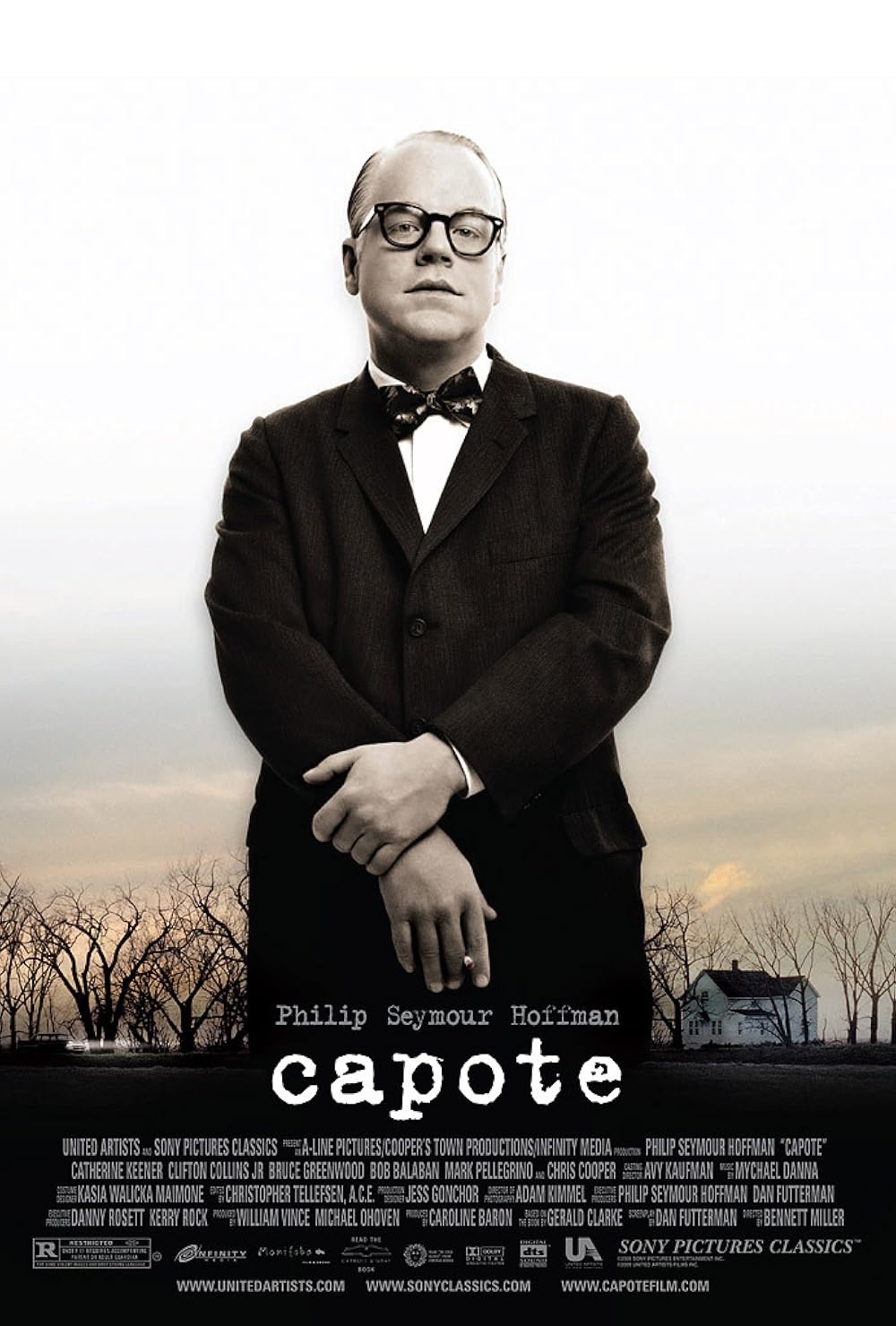
A Non-review by Professor Popinjay
(2005)
I had zero interest in this film going in and I had no idea who Truman Capote was. I assumed he had something to do with the mafia. From the sounds of things, he may have, albeit unknowingly. From the sound of other aspects of his life, he might have been lucky he wasn’t mixed up with the mafia.
This film recounts Truman Capote’s efforts to collect details of the tragic real-life murders of the Clutter family in Kansas, 1959. With the intention of writing a book, Capote paid bribes, fostered relationships both genuine and ingenuine, and even vied for and funded expert advocation on behalf of the accused in the hope that appeals would prolong the inevitable impending death sentence just so he could continue siphoning details from all parties involved in the crime.
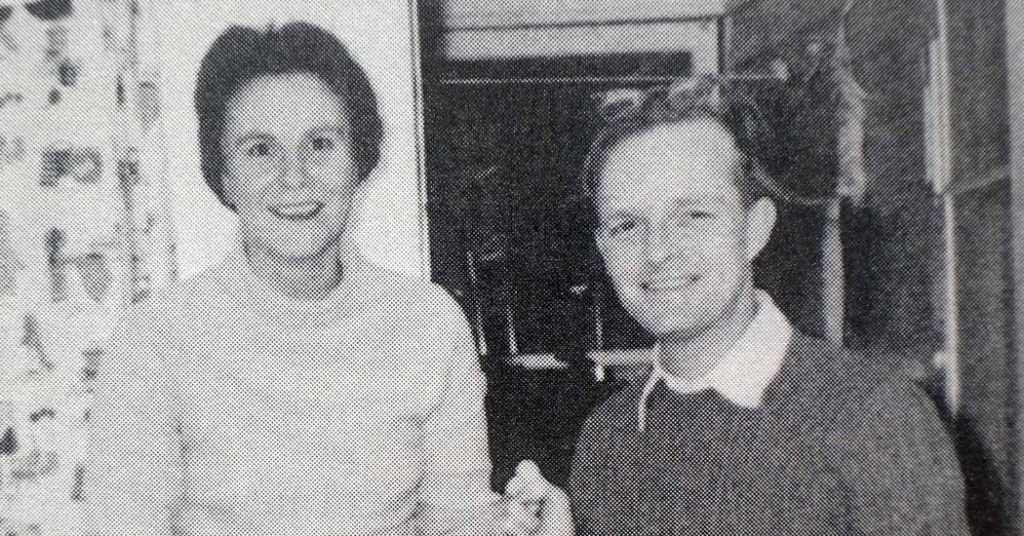
Joining Capote on this grievous quest and acting as a voice of reason and conscience for him is real life writer Nelle Harper Lee (Catherine Keener) author of “To Kill a Mockingbird” which would become a movie in the course of this film’s events.
Philip Seymour Hoffman draws you in with his portrayal of Truman. His acting is superb and this character is so wholly different from so many of his various roles, especially compared to “Dustin Davis”, Hoffman’s character in Twister (1996). Just to be clear, I’m talking about Philip Seymour Hoffman, not Dustin Hoffman. Dustin was the character’s name in Twister. I’m glad we had this talk.
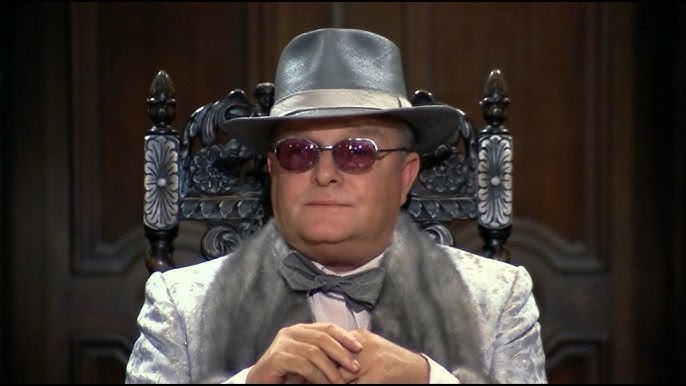
While the film focuses strictly on Capote’s book research, my interest in the man stayed kindled for quite awhile after it ended and burst aflame again when I learned he had actually starred as the comical villain in Neil Simon’s “Murder by Death”. I’ve not seen it but apparently Truman was hilarious. Who was this man credited for the popularization of the true-crime genre, a man who would revolutionize journalism, and in the midst of all that, he plays a comedy role in a freaking Neil Simon screenplay!?! This merited research! I didn’t know who I would have to bribe. I didn’t know with whom I’d have to foster ingenuine relationships. All I knew was, I was going to get to the bottom of this and write a 12 paragraph article exposé about him, betraying my friends and acquaintances is the process!
The book Truman wrote based on the events he was investigating in this film was called “In Cold Blood”. It made him wildly famous. An extremely charismatic person, it wasn’t long before Truman found himself not merely hobnobbing with the social elite of his time, he was brought into the inner circle of the most illustrious and influential people on Earth. Unfortunately this would lead to his eventual fall from grace.

Truman became privy to a bevy of inside information and scandalous gossip. For a long time he seemed to revel in it and wrote feverishly the details of his newfound friends’ personal lives, intending all the while to change names. But when excerpts were published, it was all too obvious on whom his “characters” were based.
Truman was at first unapologetic when the outrage came at him. However as he began to feel the effects of ostracization from the lifestyle and people he enjoyed so much, Capote fell into a deep depression and his drinking increased. He died of liver failure in 1984. His exposé book “Answered Prayers” would never be finished.
Capote’s ironically titled book was published posthumously in its unfinished state. It was not well received, recognized by many as the impetus for Truman’s ruin. Perhaps it would have been best to never publish the book at all. Toward the end of his life it seemed Truman did care about the relationships he had with the people featured in the book. One of the last things he said was a phrase full of regret, “I thought they would come back.”
He was referring to the people who once called him “friend”.
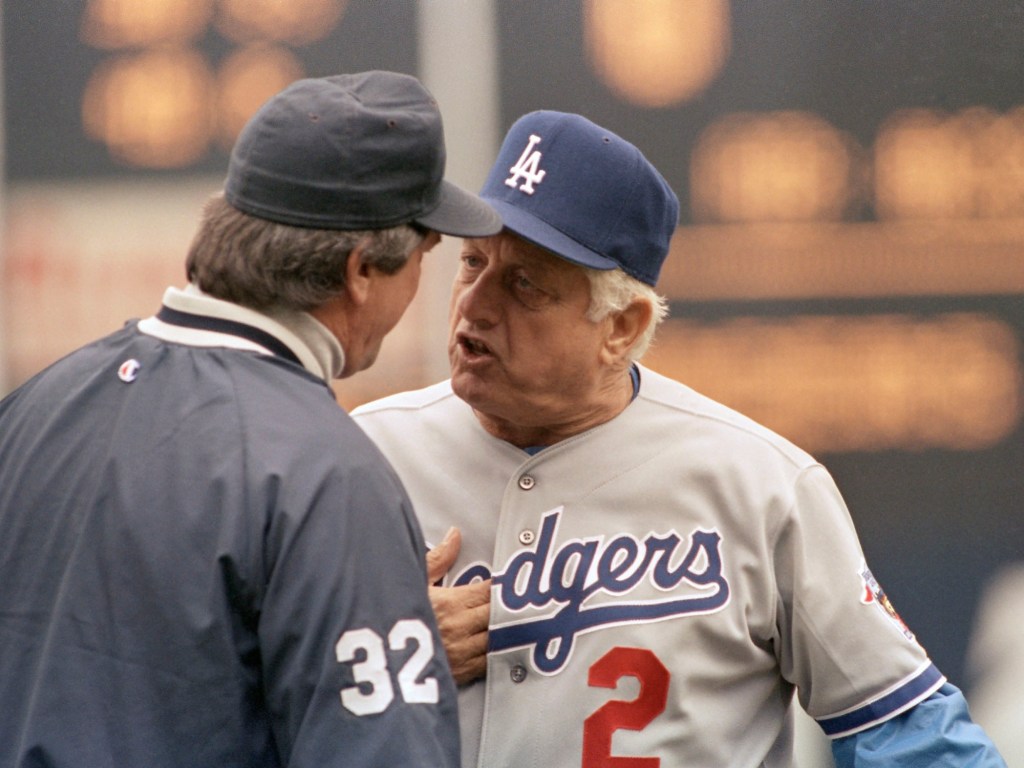
Truman Capote’s is a cautionary tale. If he had been arrogant and snide to the end I’d feel guilty writing about him. I can’t deny being guilty of gossip myself. I tore Charlie Chaplain a new butthole! He’s been dead for decades! He’s not even using his primary one anymore! I frequently lambaste Tommy Lasorda without any provocation whatsoever! He never did anything to me!
Philip Seymour Hoffman portrayed a troubled but ambitious man who, while loving the spotlight, also seemed to have a conscience and a sense of humor. He may have put on an arrogant front but I think eventually he realized his mistake. I think he realized friends are better than fame.
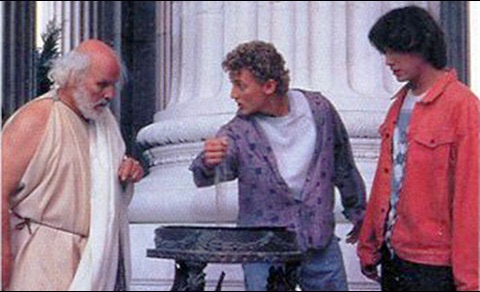
In 1872 and 2003, someone came to Socrates with a juicy bit of gossip, Socrates said “Slow down, Broseph! Check yourself before you wreck yourself, yo! Is this news true, is it kind, is it necessary? Best skedaddle then!” It’s always easier and perhaps more fun to tear people down rather than lift them up. We blow out the candles of others to make our own candle seem brighter, but we’re just making the world darker and colder.
I need to see Murder by Death now. I need to experience this man’s ability to make me laugh.
 Professor Popinjay's Compendium of Perspicacity
Leave a comment