
A Non-Review by Professor Popinjay
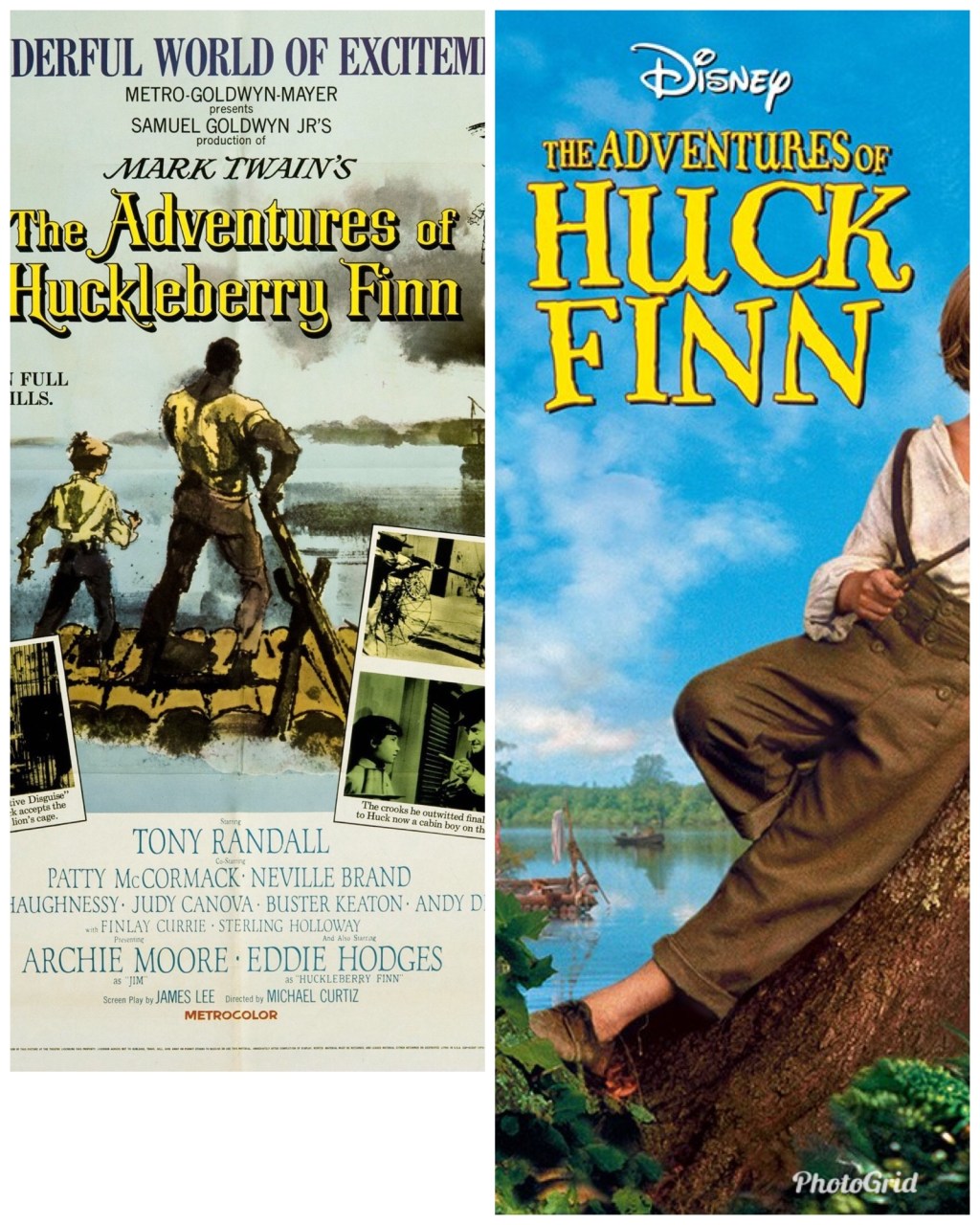
Mark Twain’s book The Adventures of Huckleberry Finn begins with Huck and his friends sneaking off at night to make plans for the future. Their plan, as it reads, is to rob and kill passers-by and kidnap the women and hold them for ransom. Of course kids talking like this sounds terrible to us with our modern sensibilities until it comes to light that none of these children know what ransom even is. They resolve to hold the women captive in their hideout until someone should pay them a ransom and then they’d know. In fact these kids really had no idea what any of this was nor how they would actually go about it. They’re just kids. Once they decide they’re not too keen on having a bunch of women hanging around their hideout, they abandon the whole plan altogether. Plus little Billy had to be home before supper each night or he’d get a whoopin’. That put a crimp in their plans as he was to be the one what would collect the spoils and keep account of it as treasurer.
This scene from the book is juxtaposed with the rest of the story wherein Huck learns what he might have originally called a thrilling adventure is rife with murder and treachery and it’s not all it’s cracked up to be. I think this is such an important scene for demonstrating the evolution of Huck’s character as the story progresses and it’s never included in the films because modern audiences, even audiences way back in the 60’s, just wouldn’t get it. It’s not about kids committing heinous acts, it’s about Huck being utterly ignorant in the ways of the world. A fact which was soon to change.
This adventure starts with the sudden reappearance of Huck’s father who is perpetually intoxicated and very abusive.
Both films got this point across but I found Pap Finn to be utterly unlikable in the 1960 version. This is a compliment to the acting. Pap was supposed to be unlikable. He weren’t no ray of sunshine in 1993 neither but I think Disney might have been pulling their punches a bit. Probably a wise choice considering the fun-loving movie they were trying to make.
But this is a story about an escaped slave too. Good ol’ Jim. And here I feel the movies differ greatly. In the 1960 version Jim enlisted Huck’s help to travel North but seemed almost manipulative toward him about it. Both Jim and Huck held that Jim escaping was a wicked sinful thing to do. Yes, even Jim. But Huck decides to help him anyhow because he “ain’t no good at being good anyhow.” Wow. Huck’s moral compass supersedes what he’s been taught even when he erroneously believes he’s abandoned his morality in the process. That is absolutely stellar.
The 1993 version doesn’t deal with this complicated moral dilemma which frankly makes it more accessible. Here we see Jim having no compunction whatsoever about escaping (good for him) but Huck still takes some convincing. This is important. Huck obviously is not an advocate for slavery. But he is a product of a far reaching mindset fueled by a more dubious form of manipulation which sadly justifies slavery and makes it normal. In this we also see Huck come around to the right decision to help Jim. This time however, it takes no manipulation from Jim. Huck just decides to help him…eventually. Both versions have powerful meaning. I think Jim having to be manipulative puts both their characters in a bad light though. So I appreciate the 1993 Disney version for this simplification.
The rest of the differences are petty and not worth mentioning really. Both versions are well done. One is both a product of its time and set during a particular period in history which lends itself poorly to racial sensitivities. The other is also a period film but produced during a slightly more enlightened era (arguably) so racial insensitivities are subdued and allocated to the more villainous characters in accordance with that time period.
The acting from both Hucks is superb. Eddie Hodges (1960) and Elijah Wood (1993) kill it, rob it, and hold it for ransom. The love and pain they have for Pap Finn can be seen in their eyes in a powerful way. Well done!
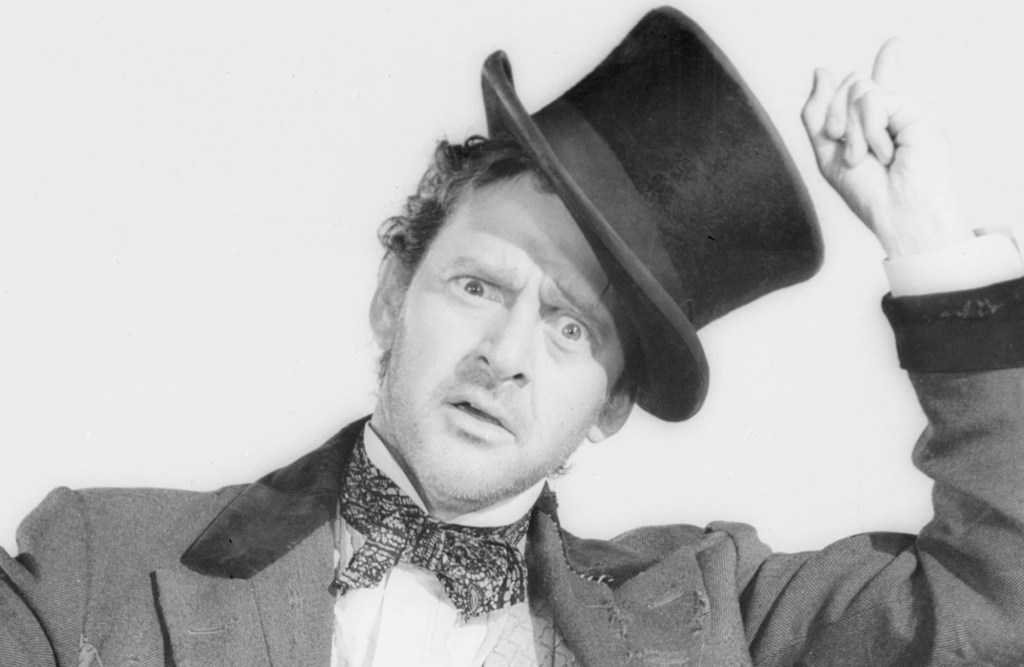
Tony Randal as “The King of France” (1960) is a great villain and is always fun to watch no matter who he is playing.
If you’re a fan of Twain I recommend both films. If you’ve never read the book, get on it! You won’t be disappointed, particularly reckonin’ so as you grow acclimated to the unique verbiage and colloquialism what is associated with them parts.


Leave a Reply