
A Non-Review by Professor Popinjay
In 2013 Guiermo Del Toro with Legendy Pictures would release the film “Pacific Rim” in theaters. While it may not be a title on everyone’s lips today, I believe it tested the waters with audiences and revealed giant monster films could look great and still be relevant.
Throughout this ten year hiatus from Godzilla films, one fairly infamous but influential man would also still believe in this continued relevance. While other filmmakers were toying with the notion that the monster had become a relic from a by-gone age, this man would recognize Godzilla had evolved beyond a metaphor; the rich lineage of Godzilla had elevated him to the status of icon.
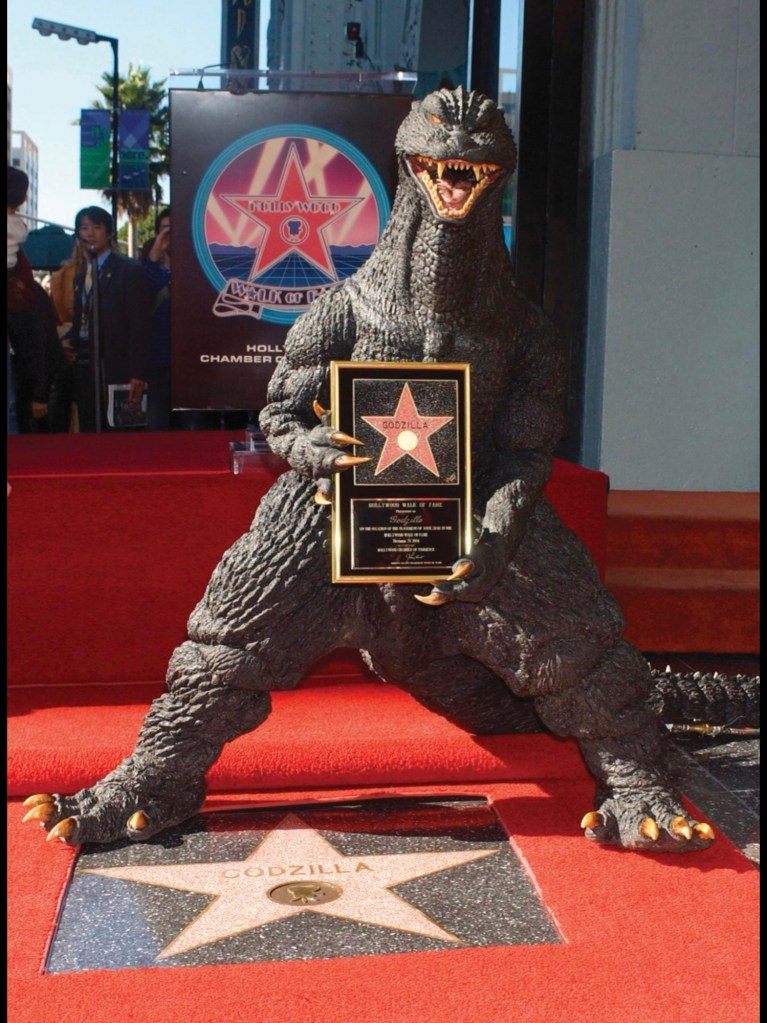
That believer was none other than Yoshimitsu Banno; the man who was told he would never direct a Godzilla film again.
Actually, he never would direct another but Banno would be executive producer for Legendary’s 2014 American Godzilla film starring Brian Cranston and Ken Watanabe.
Ken Watanabe would provide a much needed link to the cultural significance of this massive creature. Banno’s influence would be felt in the emphasis on environmental impacts portrayed in the film. And Godzilla himself? No more American oversized fire-breathing scared T-Rex here. This Godzilla would once again be the upright-walking, tail-dragging, atomic breath shooting ancient badass we all knew and loved. The film saw great success in the U.S. and was well received in Japan as it opened there at number one and grossed $6.95 million the first weekend.
I remember watching Legendary’s Godzilla at my home in 2014. My wife at the time had some strange ideas about movies and tended not to watch much of anything. But she happened to be in the room when Godzilla was doing his atomic breath thing which looked amazing.
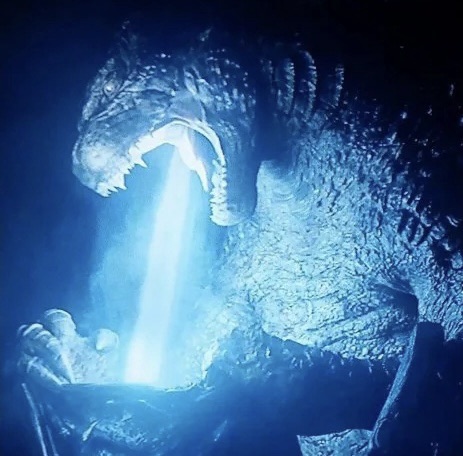
She looked at me, then back at the screen, and then back at me and said, “That’s pretty cool.”
“Yeah,” I said, “That IS cool.”
(Pause to reflect)
Seeing the success of Legendary’s Godzilla, Toho was convinced. Godzilla was alive and well and the fans were primed.
With Toho diving into a new project in Japan and Legendary laying out plans for their own franchise (which included Kong: Skull Island) the so-called eras had split into two distinct consecutively occurring eras. The American Legendary or “MonsterVerse” Era and the Japanese Reiwa era.
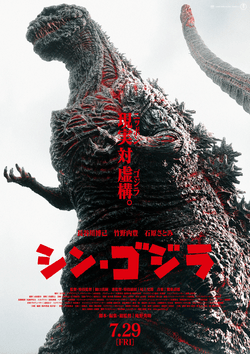
Emperor Akihito would not abdicate until 2019 but for Godzilla films the Heisei Era had effectively ended in 2004. It made sense to retroactively associate these new Japanese Godzilla films with the era that would follow Heisei. 2016 would be the beginning of the Reiwa era for Godzilla with the monumental Toho film “Shin Godzilla” leading the way.
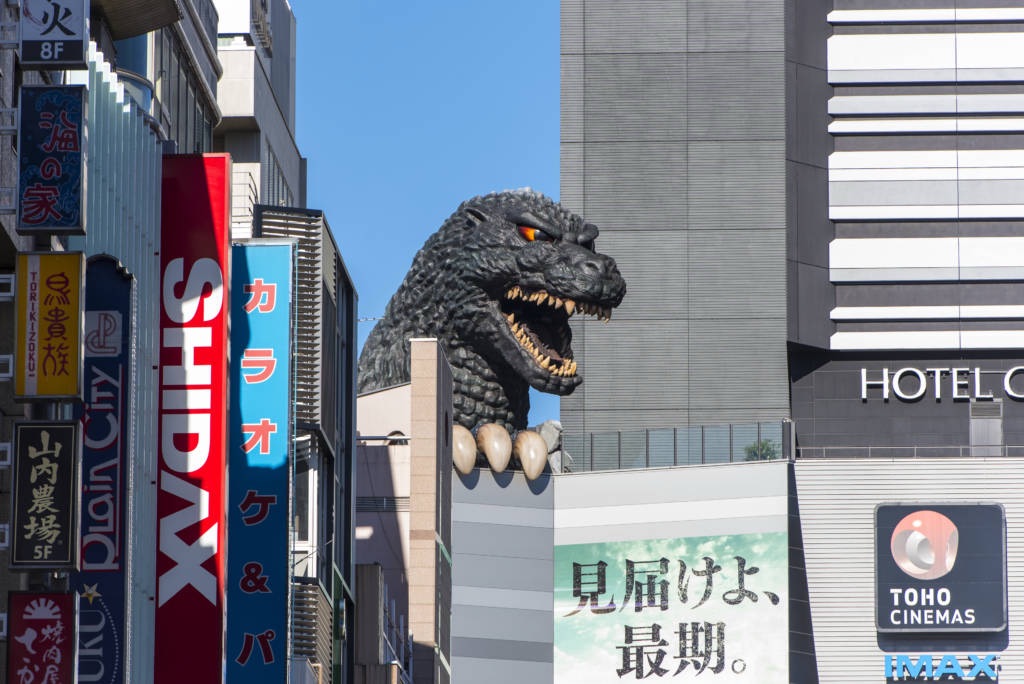
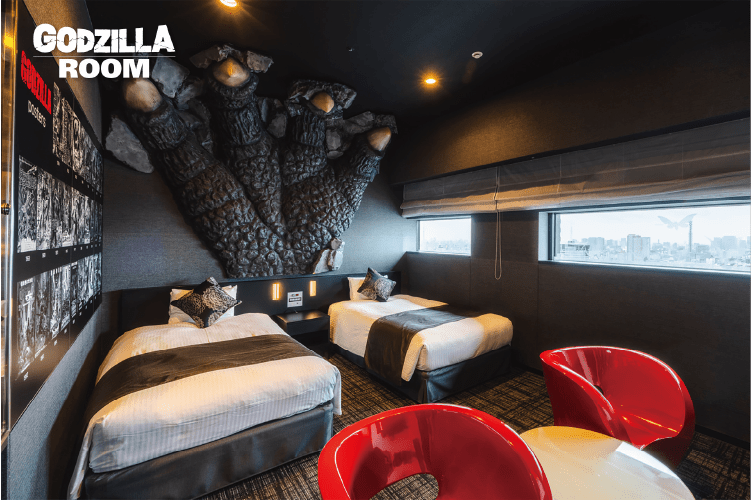
Japan went wild for the premiere of 2016’s Shin Godzilla. Promotions for the film included an 80 ton, 1:1 scale Godzilla head atop the Hotel Gracery which emits Smokey breath and roars each hour. This hotel features the Godzilla Room which is wired with effects. At the push of a button, a simulation initiates through the entire suite emulating a Godzilla attack on the hotel. Fans lucky enough to procure a night in this suite are thrilled beyond words.
The Shin Godzilla film was a passing of the torch to the new generation both figuratively and storywise. In the same way, young fans of Godzilla had grown up and some would now be a part of Toho’s production team. In the film, leadership was passed to a representative of the next generation.
SPOILER FOR SHIN GODZILLA (Next paragraph)
Godzilla in Shin Godzilla would start with a (I’ll say it) comical appearance at first, infantile and salamander-like. It wouldn’t be long however that he would metamorphosize into a true terror, an organic monstrosity, evolving new hideous features with every attack towards him. The final shot of his last change, a monstrous reflection of ourselves, the metaphor for our own cruel and self destructive nature manifested in physical form. Had that incarnation been allowed to fully realize, this would have been a very different movie. The message was clear though. The only way to stop Godzilla was for us to evolve into something wholly different ourselves. Something better than what we were.
Banno’s vision of Godzilla as Japanese icon had been realized. The door now was open for all kinds of interpretations as the people took spiritual ownership of this beloved character.
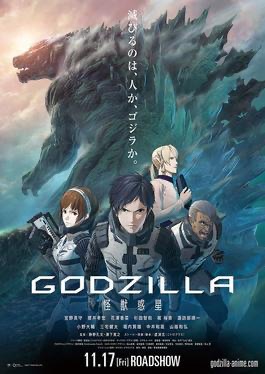
So far, this love has spawned a three part anime which quickly became my personal favorite installation. I’ve just now decided to treat these films with a separate article. They’ve met with some criticism but I think they’re great and I can’t wait to tell you why.
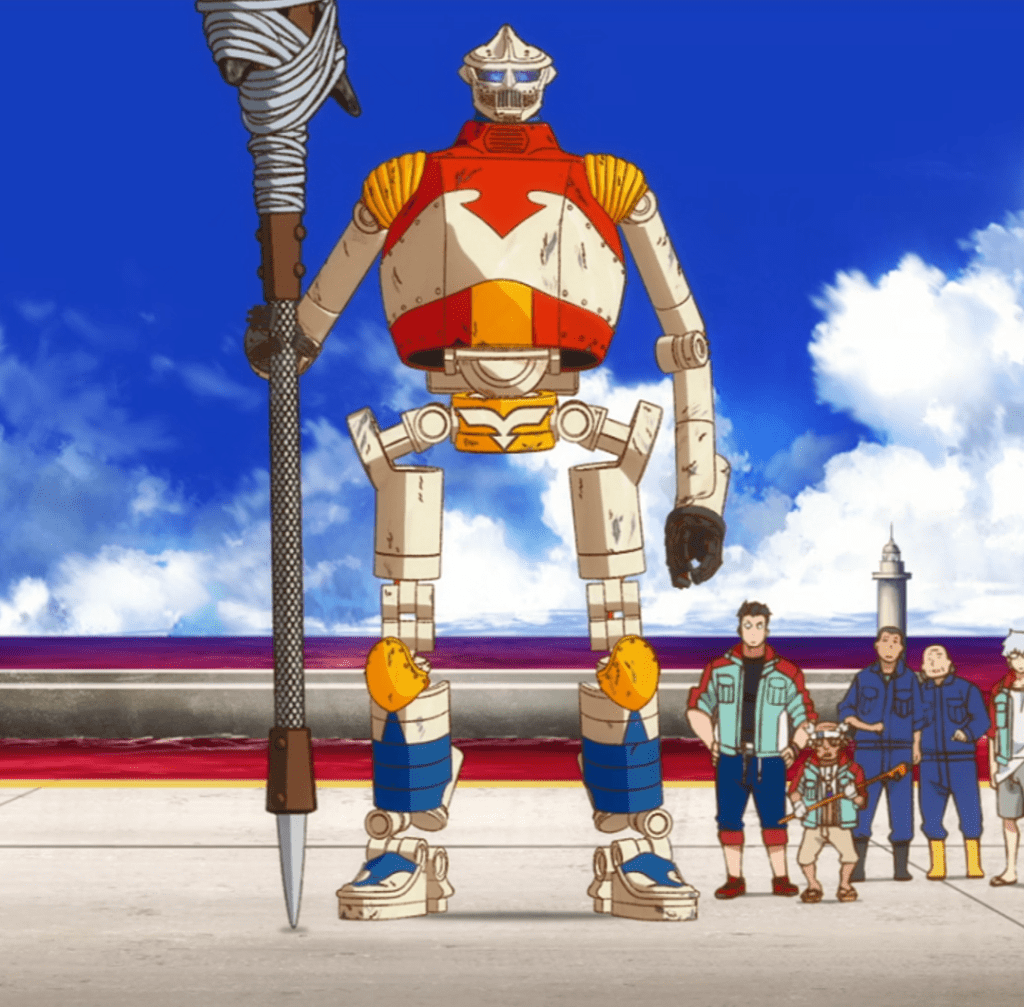
Another anime series was also generated: Godzilla Singular Point. It was entertaining for the Jet Jaguar references (the winning entry to a character design contest back in the 70s) but was a bit overwhelming with the quantum physics info-dumping in my opinion.
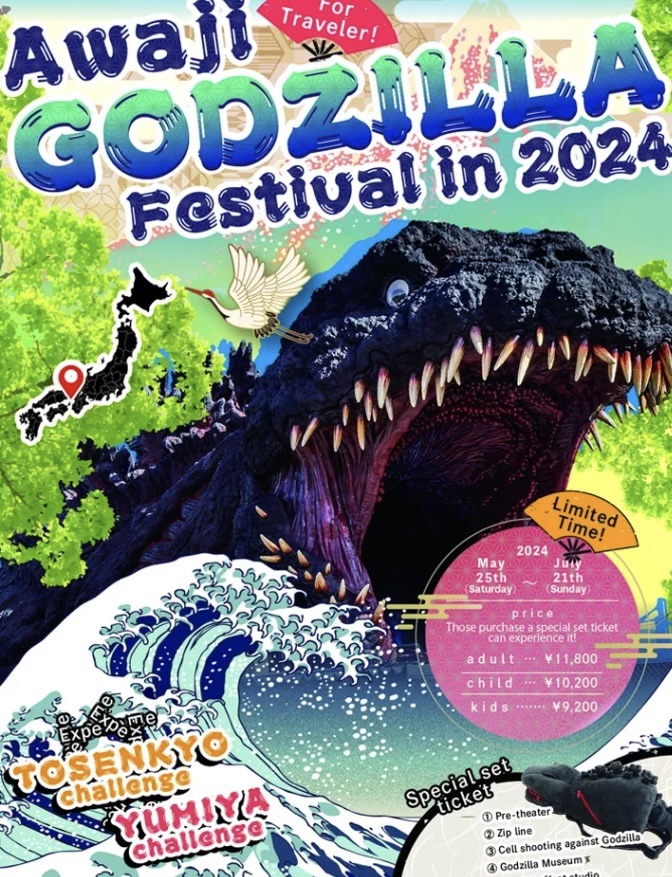
Several quality cgi fan-made shorts have reared up as well, with Toho often recognizing such achievements as labors of love and even showing several at the annual Godzilla Fest, a celebration of Godzilla that’s been growing in popularity since 1994.
So many aspects of fandom, cultural and historical reverence, passionate creativity, and innovative filmmaking technology have culminated into a crescendo that now produces these pieces. This was the state of Toho and the enthusiastic fan base which would produce the highly-regarded, groundbreaking period film, Godzilla Minus One.
But we have a completely separate era to talk about first. The one happening at the same time on the other side of the planet.
 Professor Popinjay's Compendium of Perspicacity
Leave a comment