
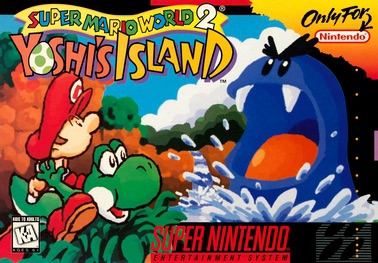
A video game Non-review by Professor Popinjay
(1995)
The first Super Mario World was, in many people’s opinion, a perfect game. The graphics were charming and beautiful. The controls were responsive. The gameplay was engaging and enjoyable all the way through. The humor was real. The music was iconic. It had superb platforming. Multiple paths. Ways to make things easier on yourself. Secrets. Puzzles. Ghost houses! Tricky Castles! A variety of boss fights! Seriously! A VARIETY!
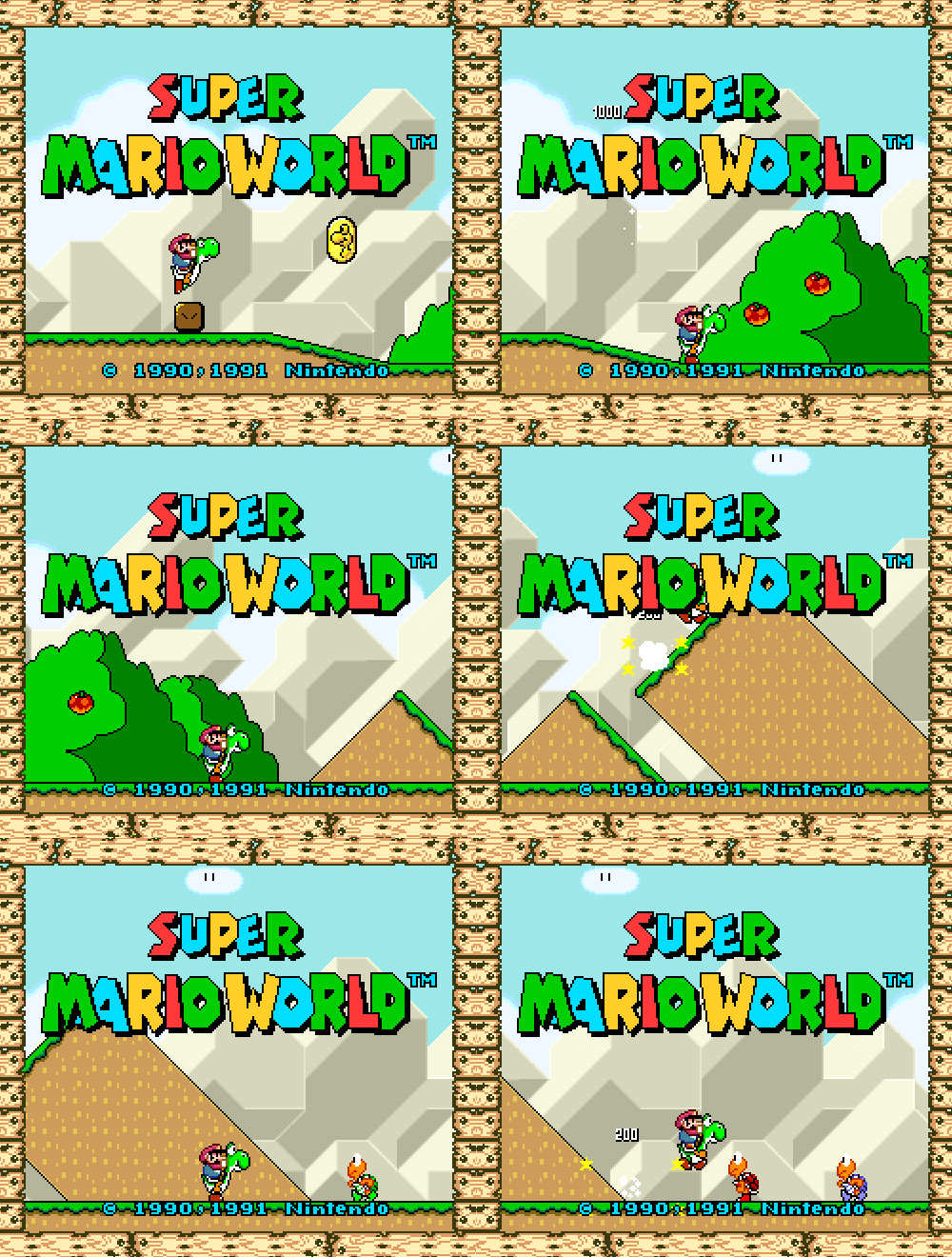
We’d never seen anything like it. I played it and played it and played it. Never did I beat it back then because I kind of sucked. Doesn’t matter. I still had fun.
Another part of what made Super Mario World so unique was the occasional use of Mode 7, a new graphics mode programmed into the Super Nintendo system hardware. This mode enabled programmers to rotate and scale flat images in real time, creating a pseudo 3D effect. It was ideal for racing games like Mario Kart or F-Zero, creating a flat surface that appeared to turn as your vehicle turned, thus making the race track always visible from a perspective just behind the driver.
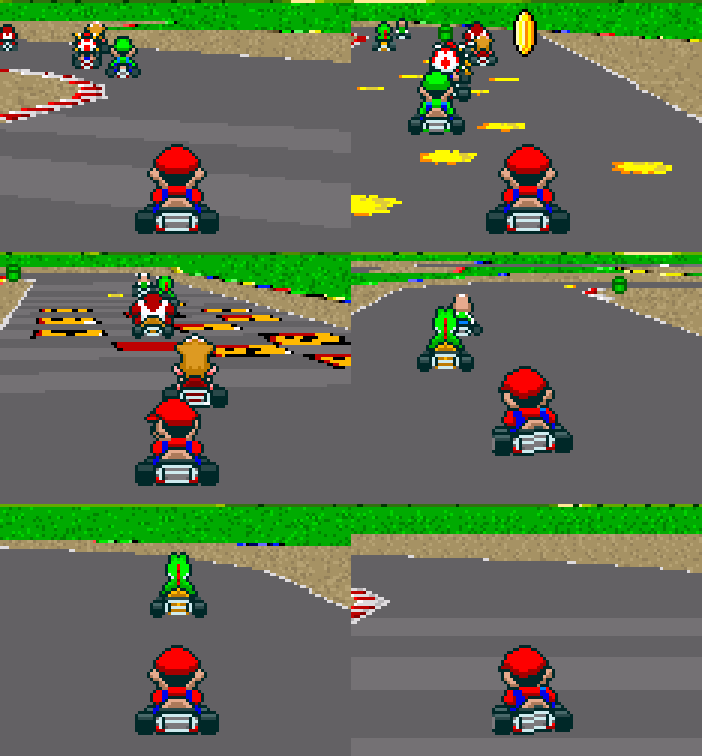
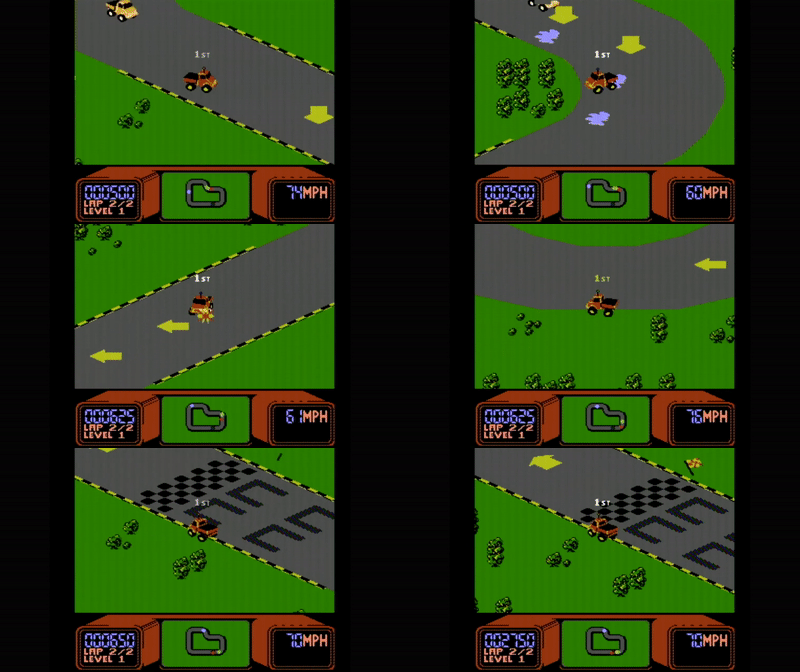
As the image of the flat track was skewed, it also appeared to get smaller and disappear at the “horizon”. These effects are commonplace now and achieved in very different ways, but in the mid 90s, this was mind blowing and way better than previous top-down racing games which could be confusing to control.
The effect was used sparingly in Super Mario World (which I should point out for the uninitiated, is a side-scrolling platformer, NOT a racing game). The bosses would rotate and crawl up a wall, or stretch out in funny ways before being defeated. Keyholes would stretch out and consume the player by way of entry. Huge platform-laden wheels would rotate. Bowser’s flying clown car would appear to swoop to and fro as the image was rapidly scaled up and down to simulate moving from the background into the foreground and back again. It was all pretty neat. Yeah, I said “neat”.
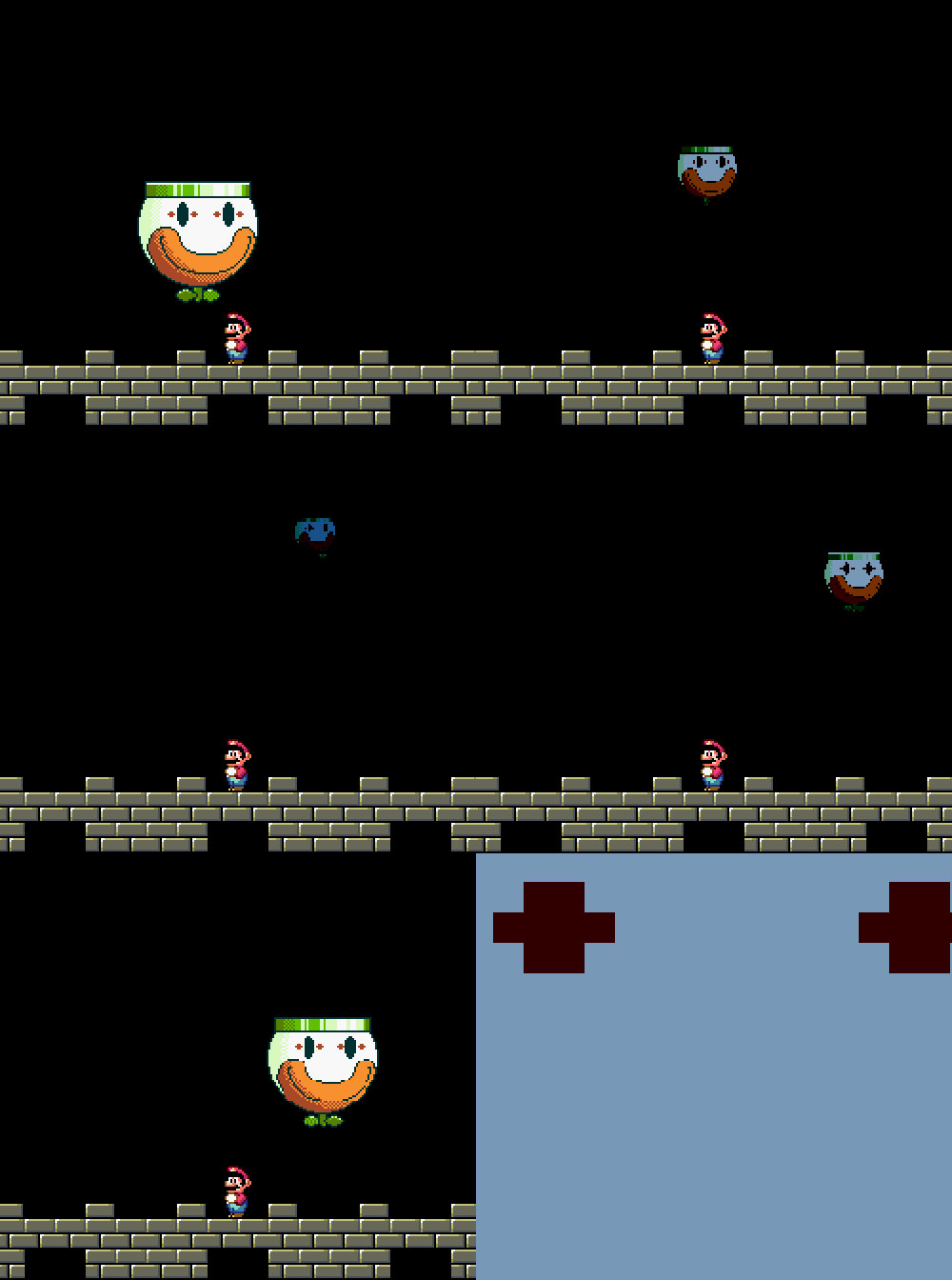
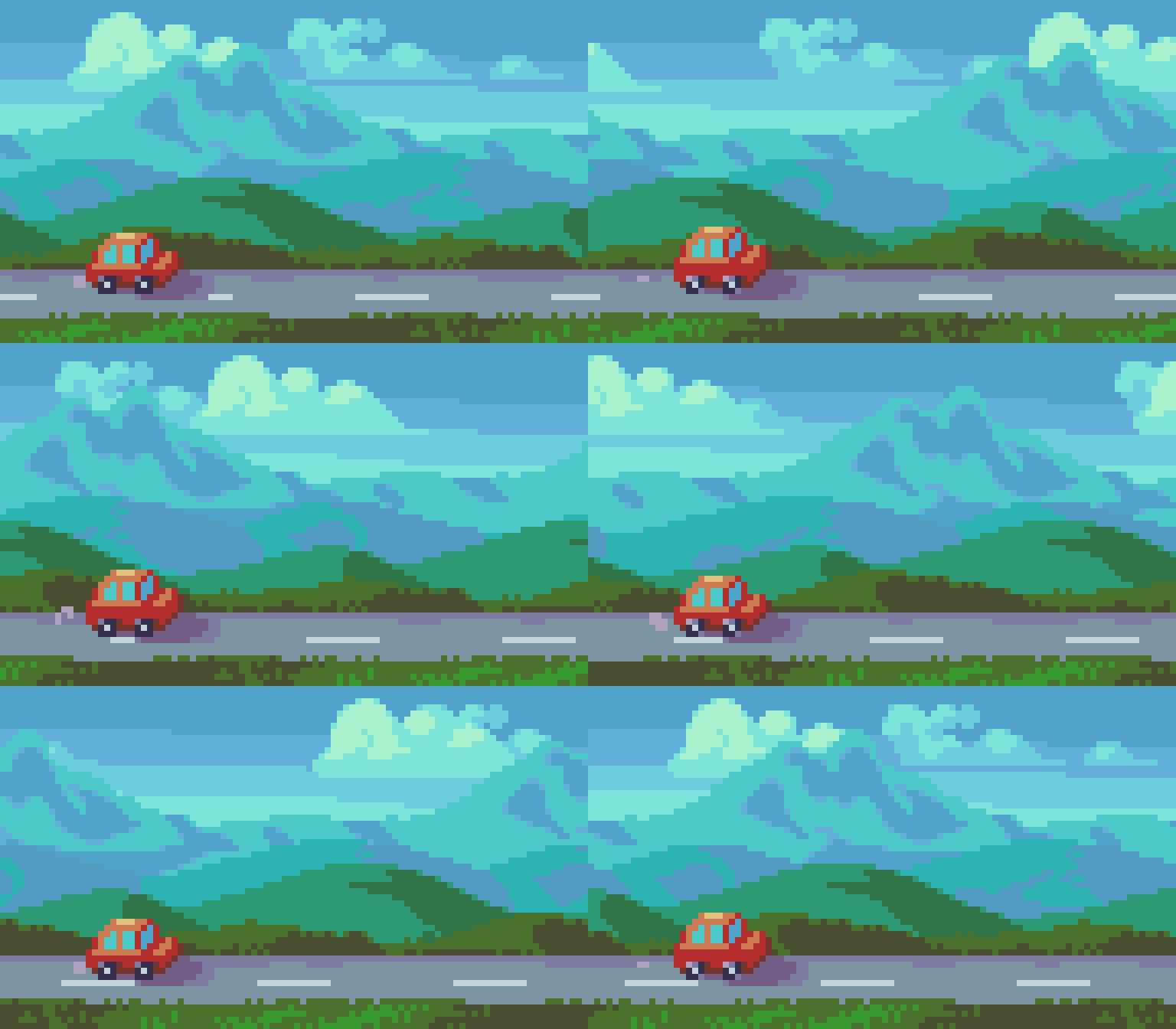
Mode 7 did have some limitations. It would originally only work on one layer. On the Super Nintendo and similar systems of that generation developers could utilize multiple overlapping layers on one screen. This way, they could overlay rain or lighting effects, or things that might obstruct the players view or enhance the players aim (like a targeting reticule) in the foreground. Backgrounds could be animated independently from the foreground layers, giving the effect of trees and mountains that stretched far into the horizon, while the foreground passed at a faster pace. Yet another layer held the sun or moon relatively stationary. It’s truly fascinating what could be achieved with all these layers moving (or not moving) in different directions and speeds.
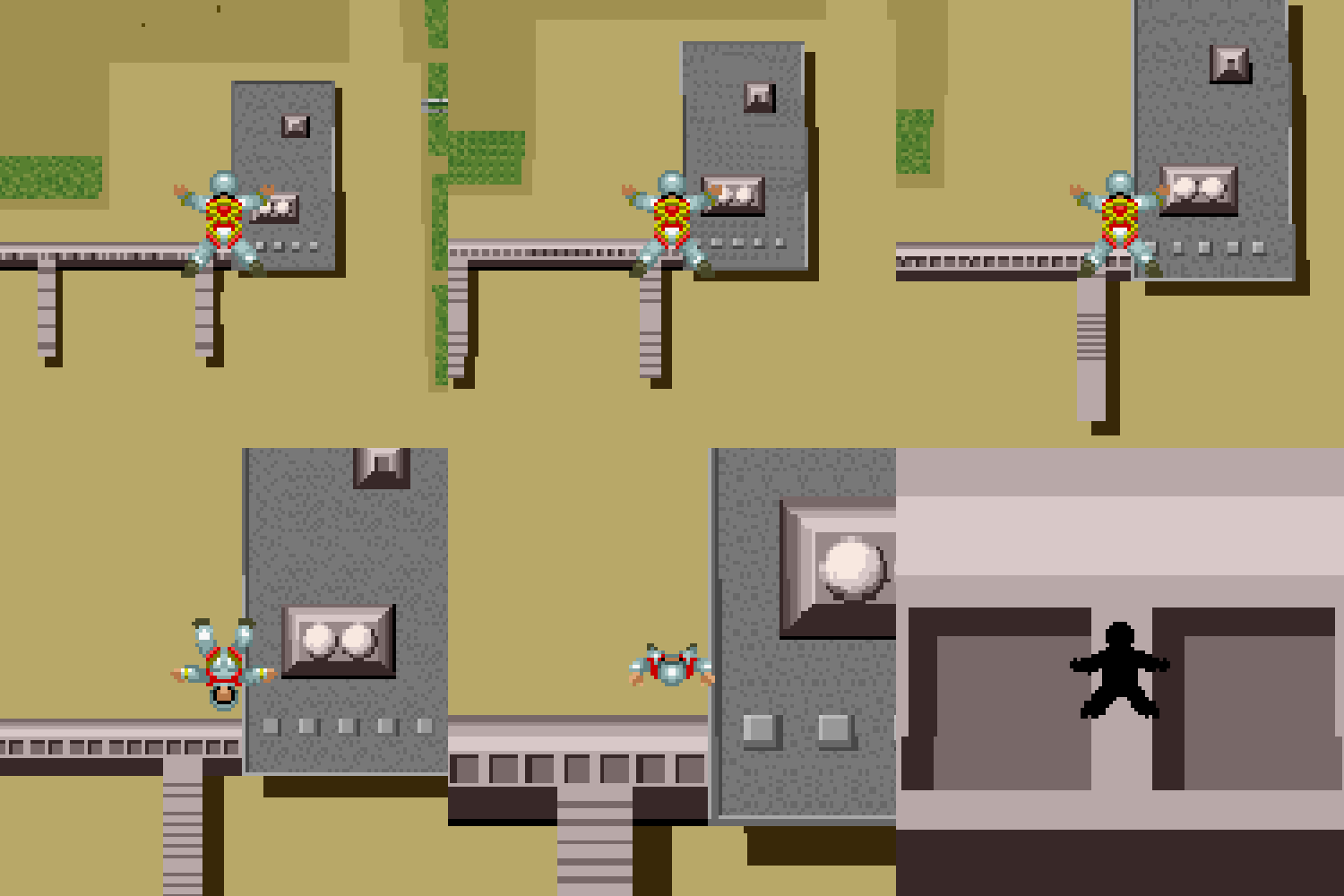
Yet, while the Super Nintendo was a powerful machine, it wasn’t powerful enough to have a million images on screen each stretching or skewing or pulsating independently from each other. Only a single layer could do that. Any image that needed to be stretched had to be switched to that layer. Secondly, as an image was stretched out, it would lose resolution and look more and more pixelated as it grew or skewed.
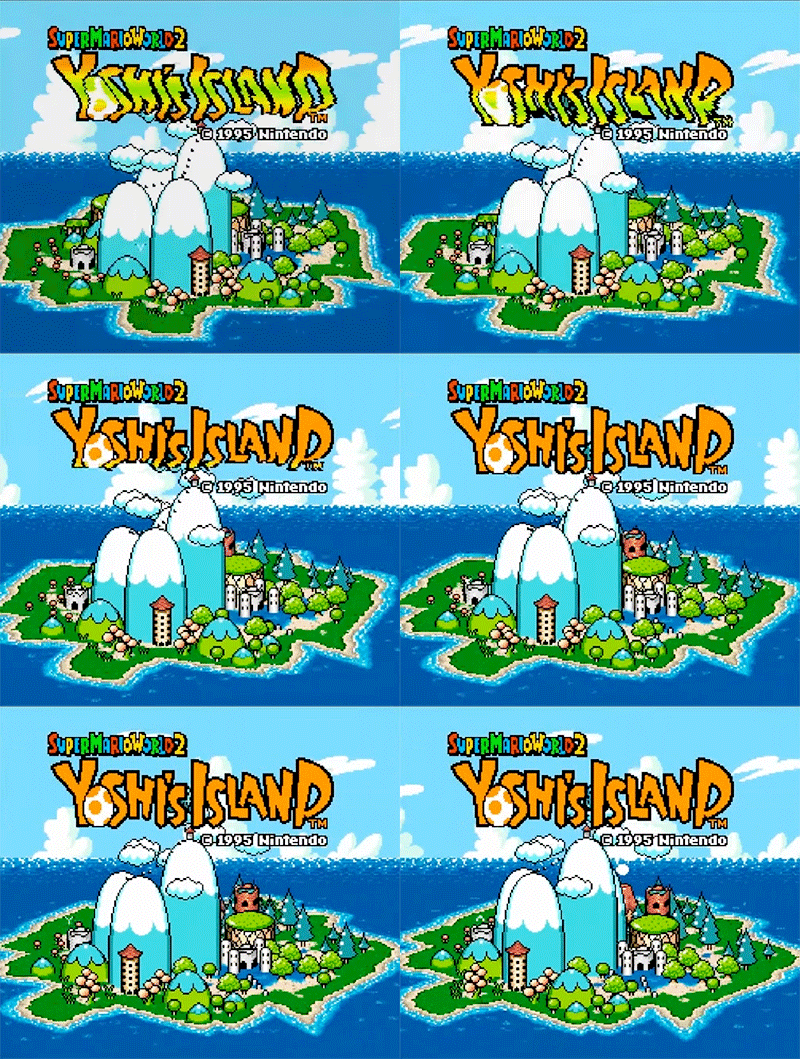
After thoroughly enjoying the first Super Mario World with its crisp graphics and fun branching pathways, I was disappointed when I first turned on its sequel.
First of all, you technically weren’t playing as Mario; you were playing as Yoshi, Mario’s trusty super-cute dinosaur beast of burden. As Yoshi, you had to carry baby Mario on your back and deliver him to safety. Get hit by a baddie and you’d lose the little guy. Baby Mario would float away in a bubble and you’d have to retrieve him before other baddies whisked him away.
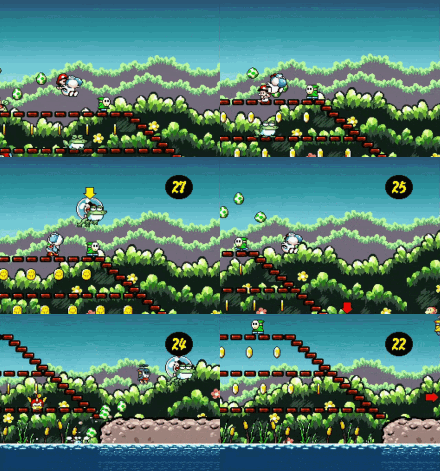
While he was in that bubble baby Mario would cry. It was a haunting cry that could curdle your blood from a mile away. I still hear it in my nightmares.
If Mario was a baby, I guess this was a prequel not a sequel, AND it’s an escort mission? There weren’t a lot of these back then. In Mickey Mousecapade (1988) you played as Mickey and had to keep track of Minnie which was a total chore. S.O.S. (1993) was a hard as balls escort mission if you wanted it to be. But in that one you could get your own ass off the sinking ship and call it a day. Later generations brought Goldeneye (1997) and Perfect Dark (2000), first-person-shooters with some pretty irritating escort missions. The person you’re protecting was always slow and would always do dumb crap like get themselves blown up or walk into your line of fire. Frustrating.
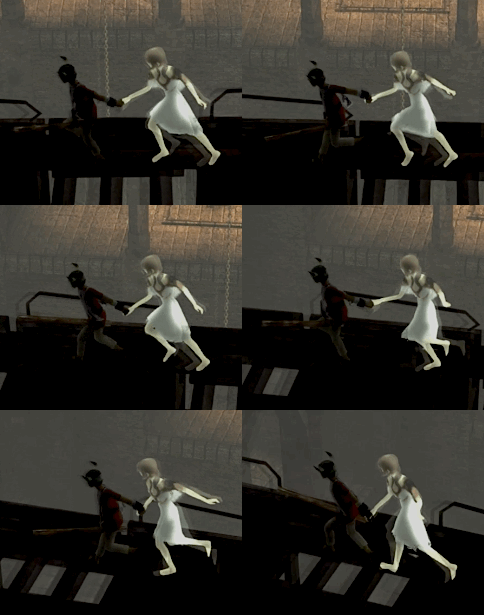
(Okay, not gonna lie, this game pictured (Ico) is a masterpiece, even if it is one big escort mission.) Suprised her arm isn’t 5 feet long by the end of this game.
But I wanted to play AS Mario, not baby-sit Mario. Plus, there were no more branching paths; just a straight line of stages you had to conquer one at a time in a row. Yeah, you could fly right through a stage if you wanted but there were also things you could collect. You couldn’t 100% a stage without collecting 20 red coins, collecting AND MAINTAINING 30 little stars, and 5 smiley flowers, and, if you didn’t, you didn’t get to see the secret bonus stages!
Collecting these things could be really frustrating. The red coins were sometimes carried by little flying baddies who would often fly away before you even saw them. The little stars would bounce and run all over the place when revealed and half the time they’d end up in lava or some other hazard. The smiley flowers… They were cute.
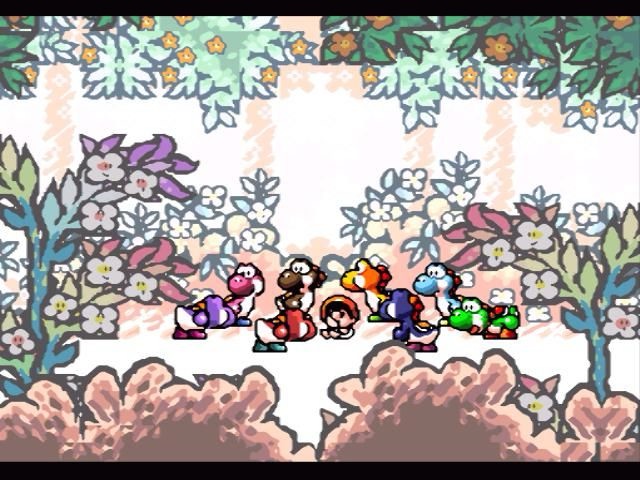
That’s another issue which my then ultra-cool super-sophisticated hypermasculine 13 year old brain couldn’t comprehend. SMW2: YI was cute, REALLY cute. The whole aesthetic literally looked like it was drawn with a crayon. Mario was a baby. BOWSER, Mario’s infamous antagonist, was a baby. You were collecting cutesy stars and smiley flowers! This was a game for BABIES!
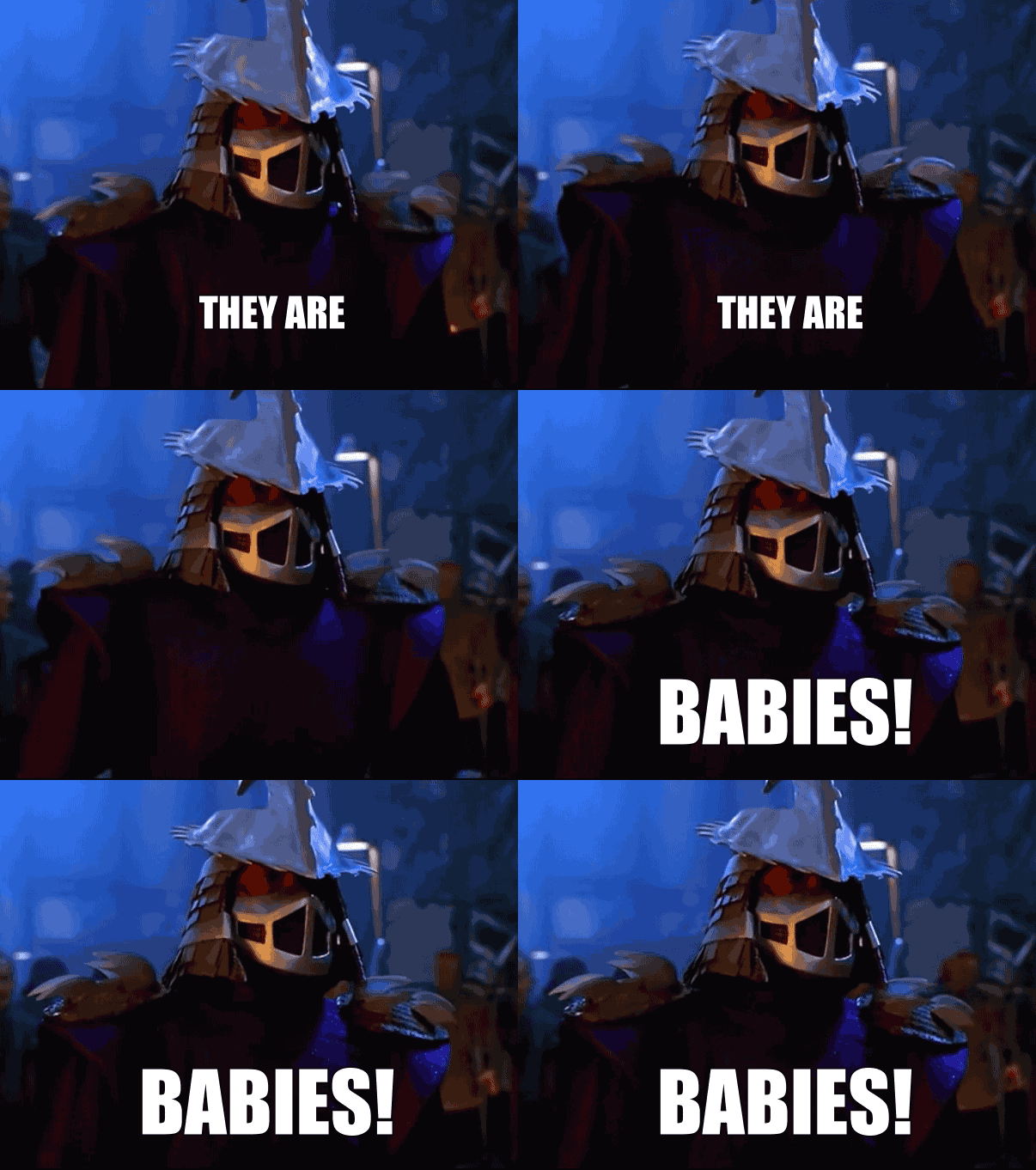
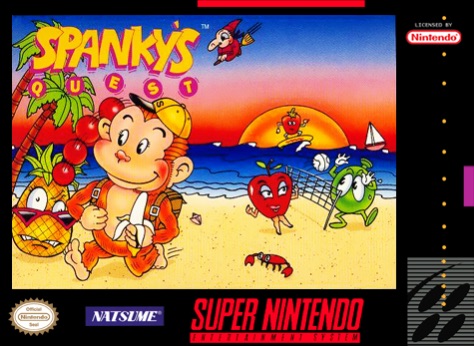
So, in 1995, I walked away from this game. I only play ultra-cool, super-sophisticated, hypermasculine games… Like Spanky’s Quest (1992). Now there’s a man’s man’s game!
Years later (31 years to be precise), after hearing one videogame reviewer after another sing praises to this game, I finally decided to give this another chance. Clearly I had missed something.
At 44 years old, I’ve realized the only “ultra-cool” thing about me is my lack of concern with being ultra cool, sophistication is for people pretending to be adults while they’d rather be elsewhere having ACTUAL fun, and hypermasculinity is something I only manifest on date nights if my wife says I can.

Finally unencumbered by narrow-minded social conventions and hormone induced bravado and empowered by a liberal use of save states, I actually began to enjoy Super Mario World 2: Yoshi’s Island.
Now having played through more than one level, I understand why they (Nintendgnomes) went with the gloppy crayon-drawn look for the graphics. It kind of hides the pixelated effect cause by Mode 7, which is used gratuitously throughout this game thanks to the new Super FX enhancement chip, built into the cartridge itself. This new graphics processor enabled multiple elements to utilize Mode 7 independently of each other, not just a single layer.
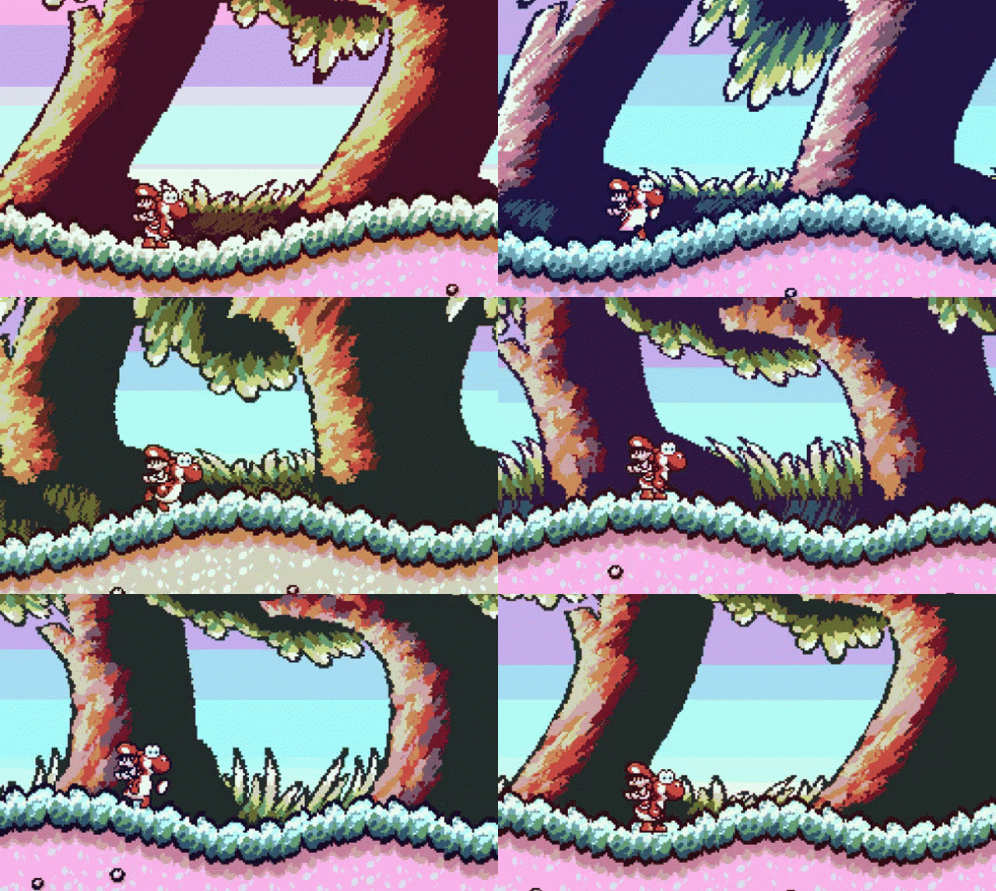
The collectathon aspect was not so bad because of the save states and rewind features. If I felt like I missed something, I could just rewind the game a bit and usually find what I missed. I’ve read some commentary stating the collecting aspect ruined the game for them. Like I said, you CAN just run through the game without collecting the red coins, little stars, and smiley flowers and therefore be barred from seeing the extra levels but that is a frustrating way to experience a game for a completionist.
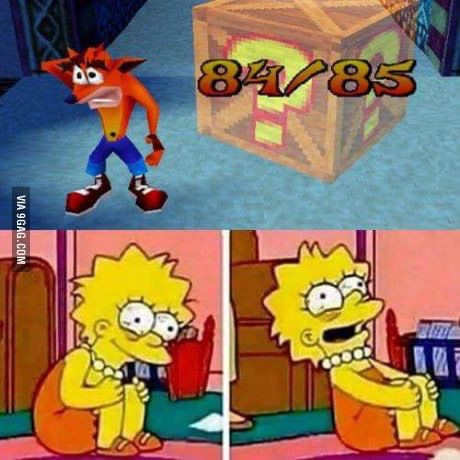
They’re out there too. Completionist players MUST collect, unlock, and experience every iota a game offers and if it’s too difficult they’ll often walk away in disgust, never to play it again. It’s a compulsion. I’m kind of in this category myself but the save states and rewind features programmed into most rereleased titles have made the more difficult games accessible to me as I never could be bothered to “get good” as the saying goes.
The bonus levels to which you get access as a reward for collecting everything are pretty enjoyable and worth the effort in my opinion.Yes, some are super difficult but most are rather novel, not something you’d expect to see in the regular levels. Just pure fun.
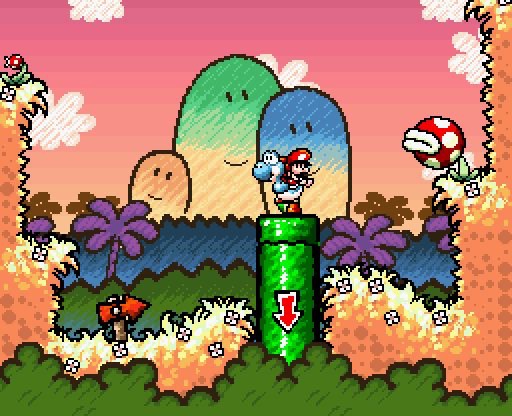
The cutesy-ness of the artwork is irrelevant (exemplified above). It might look like babies drew the artwork with crayons and the game features babies but, brother, this game is not for babies. It’s not a steep ramp of difficulty but there are some tough levels to be sure.
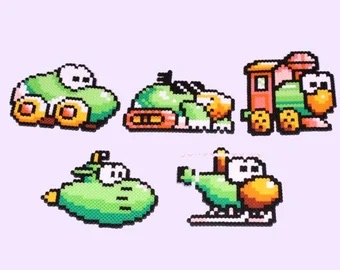
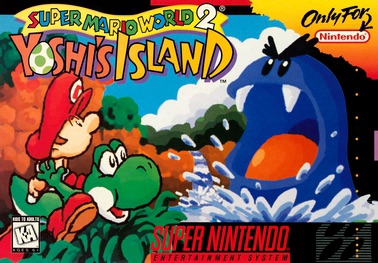
The variety of gameplay is astounding. I never would have imagined just by looking at the box art that Yoshi could at times turn into a helicopter, or a submarine, or a little train, or be able to ride around on the back of a dog. That’s Mario on the back of Yoshi, Yoshi on the back of a dog. It sounds insane but it was so much fun.
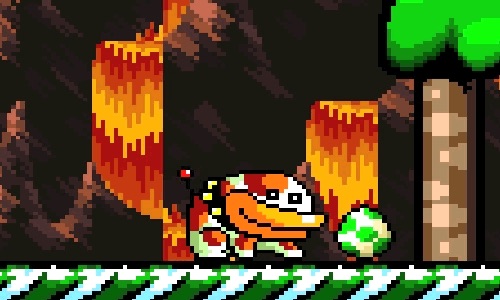
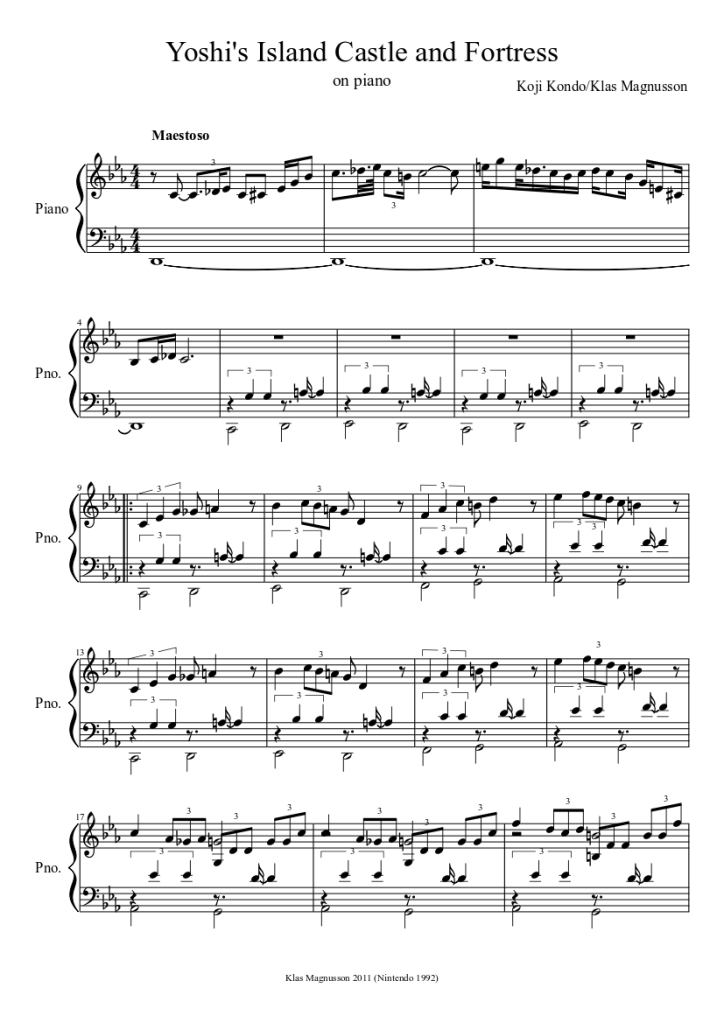
The music is just as iconic as the first SMW. Composer Koji Kondo is a master of his craft. SMW2:YI’s castle theme is totally different from the castle theme from the first game but still manages to be just as exciting and mysterious. Other tracks are super chill and I’d listen to them on the reg.
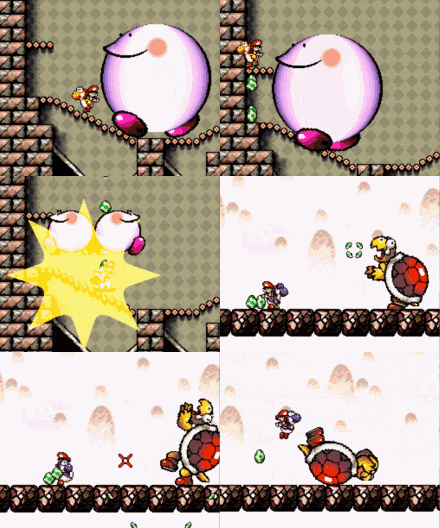
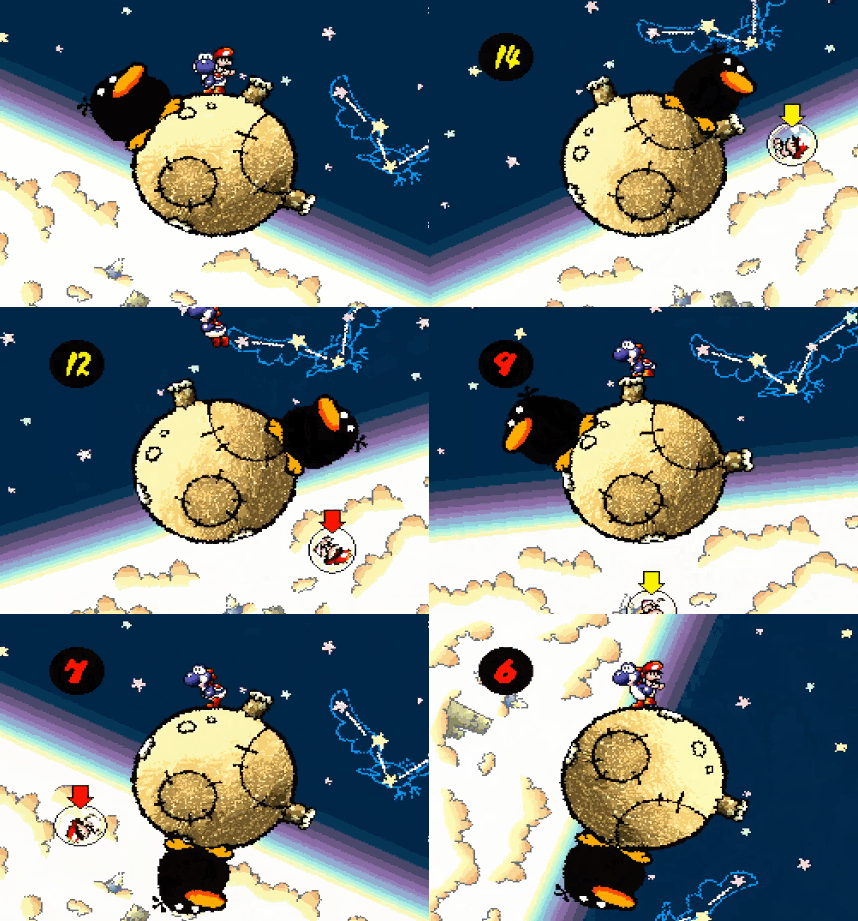
Every boss battle is UH-mazing, a marvelous use of the Mode 7 technology and classic hardware tricks. Giant round behemoths who get smaller as you hit them with eggs (wait, is Yoshi a female?). Pulsating blobs you have to push into to get at their vulnerable core. A huge bird you had to chase around a tiny planetoid and pound a steak into his crotch. Delightful! Every battle was different and I savored each one!
Reviewers were right. Super Mario World 2: Yoshi’s Island is a gem. Nintendo knocked it out of the park again. Too bad I was a fickle 13 year old when it came out.


Leave a Reply